



Episode # 3 • 17 Jan 2025
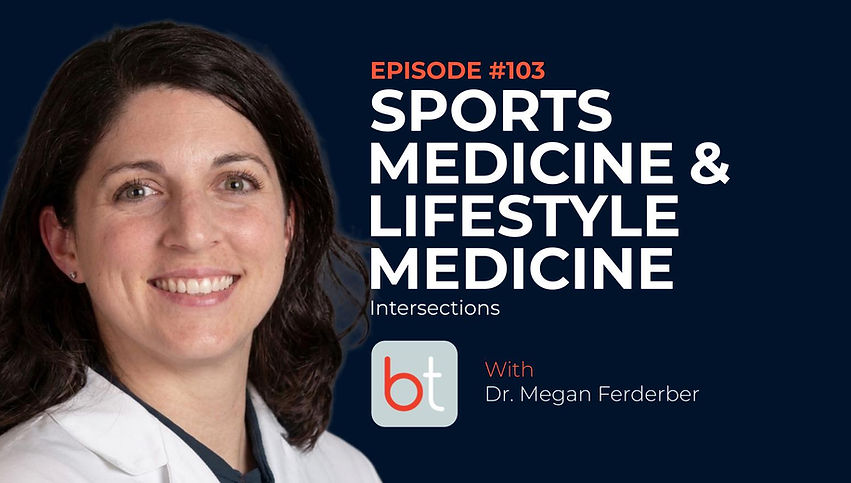
Sports Medicine & Lifestyle Medicine Intersections
Lifestyle medicine isn’t new; it’s medicine’s original prescription, and it might be the most effective way to start treating your patients’ musculoskeletal health. In this episode of BackTable Bone & Sports, Dr. Larry Balle welcomes Dr. Megan Ferderber to discuss how foundational habits like nutrition, exercise, sleep, stress management, social connection, and avoiding risky substances can transform joint and tendon outcomes.
Timestamps
00:00 - Introduction
07:02 - How Lifestyle Medicine is Incorporated into Practice
18:55 - Dr. Ferderber’s Definition of Lifestyle Medicine
23:15 - The Link Between Metabolics and Joint Health
29:15 - Physical Activity Prescription
35:06 - Risky Substances and Link to Cancer
39:50 - Sleep as a Pillar of Health
44:28 - Importance of Social Connectedness and Stress Management
49:43 - Discussing the Lifestyle Medicine Board Certification
53:06 - Life Hacks: Nutrition and Micro Habits
55:53 - Final Takeaways
Resources
You may also like
More about this episode
Dr. Ferderber shares how she incorporates the six pillars of lifestyle medicine into consults for musculoskeletal procedures such as PRP, prolotherapy, and TenJet. She highlights the evidence linking metabolic dysfunction and inflammation to osteoarthritis and tendon disease, and offers practical guidance for setting exercise targets, managing substance use, supporting sleep, and addressing stress. The episode also explores the value of board certification in lifestyle medicine, and how adopting these principles can bring credibility and long-term impact to sports medicine practice.
The Materials available on BackTable are provided for informational and educational purposes only and are not a substitute for the independent professional judgment of a qualified healthcare professional in diagnosing or treating patients. Any opinions, statements, or views expressed are those of the individual contributors and do not necessarily reflect those of the publisher, platform, or any affiliated organization.