

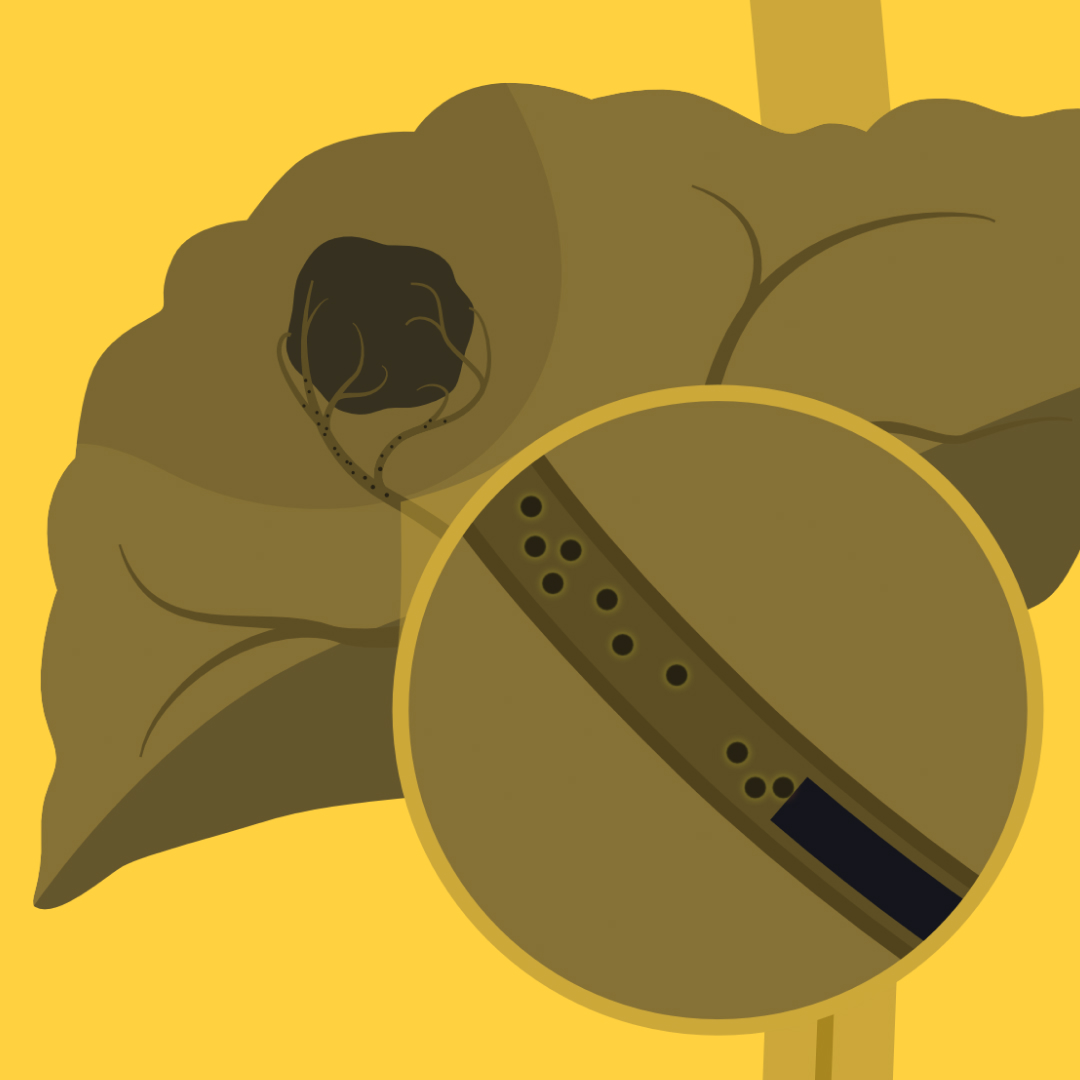
Y90 Dosing & Ablation Modalities for HCC
Course published: January 2025
This course covers Y90 dosimetry, curative intent therapies for HCC, and practical guidance for building a successful interventional oncology practice, offering clinicians the tools to optimize treatment strategies and patient outcomes. The course is supported by an educational grant from AstraZeneca, with additional support from Boston Scientific.
20 lessons, 2h
Lessons
How to Simplify Dosing: Understanding Y-90 Dosimetry from Simple to Complex
- 1Dosimetry teaching in training, and the evolution of dosimetry practice over time
- 2Dosing strategies and achieving complete necrosis in radiation segmentectomy for liver tumors
- 3Radiation dosimetry strategies for treating varying sizes of liver tumors using different techniques and materials
- 4Changes in liver transplant allocation, Y90 replacing TACE, and detailed dosing strategies for HCC treatment
- 5Super Challenging Case: HCC Treatment options
- 6Tips on dosimetry, vial selection, and the decision to wait or retreat
- 7Voxel-based dosimetry, and the role of software in Y-90 treatment
Curative Intent Therapies for HCC: Today & Tomorrow
- 8Defining ablation, treatment strategies using Y90, and challenges in radioembolization procedures
- 9Estimating lung shunt, dose calculations, and procedural considerations for Y90 radiotherapy in liver tumors
- 10Procedural specifics, and comparing radioembolization with cryoablation for liver tumors
- 11Microwave ablation vs. histotripsy, and adoption of histotripsy for non-invasive liver tumor treatments
- 12Histotripsy imaging guidance, fusion imaging, intraoperative CT, and non-invasive techniques
- 13Y90 vs histotripsy for HCC, addressing risks, procedural details, and future challenges
- 14Y90 ablation approaches, focusing on cone beam CT, and patient selection criteria
- 15Catheter types and their impact on blood flow and dosing strategies for tumor treatment
How to build an IO Practice
- 16Experiences and challenges in transitioning into interventional oncology roles
- 17Challenges in gaining trust and establishing an IO practice, emphasizing relationship building
- 18Private practice setup, telemedicine advantages, and clinic expansion in academic settings.
- 19Critical roles and steps needed to establish and grow a successful IO clinic
- 20When to specialize in a practice and integrate new technologies while supporting junior colleagues
Topics
- 2025 HCC Creator Weekend™
- Ablation
- Cone Beam CT
- Dosimetry
- Early Career
- Hepatocellular Carcinoma (HCC)
- Histotripsy
- Innovation
- Interventional Oncology (IO)
- Interventional Radiology (IR)
- Liver Microwave Ablation
- Practice Management
- Private Practice
- Radiation Segmentectomy
- Referral Network
- Telehealth
- Y90 Radioembolization