
Topic
2026 GI Oncology Creator Weekend™
Podcasts
 Tumor Board # 92Nov 17, 2026
Multidisciplinary Approaches in Pancreatic Cancer Care
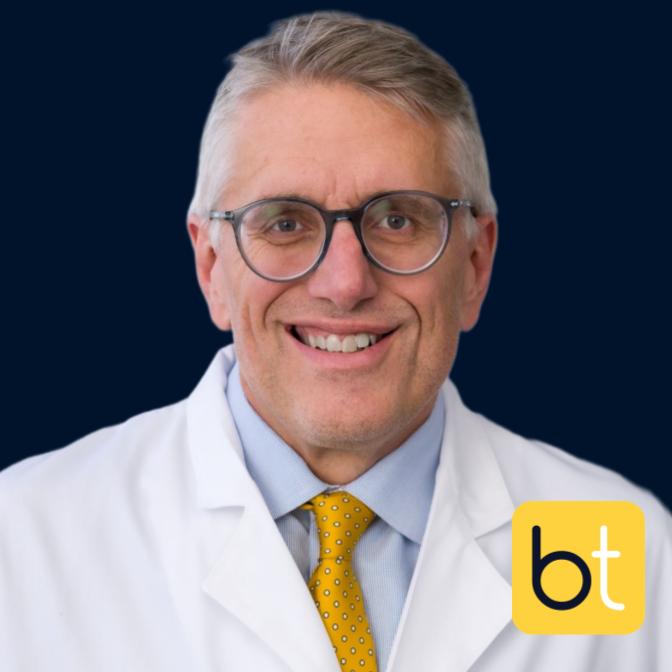
At Cedars-Sinai, the time from a pancreatic cancer diagnosis to the first dose of chemotherapy fell from about a month to 14 days, and trial enrollment nearly tripled, once every specialist started seeing the patient in the same room on the same day. On this episode of the BackTable GI Oncology Creator Weekend™, medical oncologist Dr. Andrew Hendifar of Cedars-Sinai is joined by surgical oncologist Dr. Adam Yopp, chief of surgical oncology at UT Southwestern, and GI medical oncologist Dr. Arsen Osipov of Cedars-Sinai to compare how their same-day multidisciplinary clinics run and what every clinic needs, from an experienced pancreatic surgeon and a radiation oncologist to genetic counseling, an early dietitian visit, and supportive care. They also explain how virtual tumor boards, same-week biopsy slots, and outreach networks bring community oncologists in Texas and California into the plan, and weigh whether pancreatic cancer care should be regionalized, as it is in parts of Canada.
- Tumor Board # 90Nov 10, 2026
Metastatic Pancreatic Cancer: A New Era of Treatment?
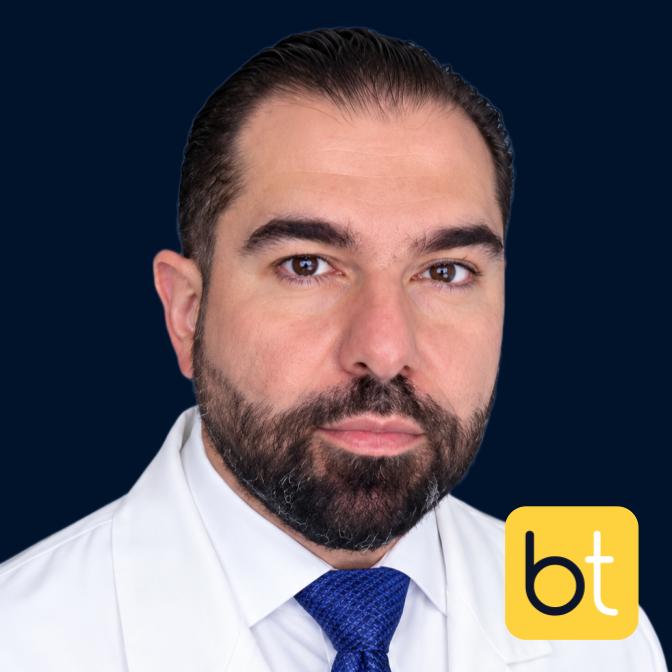
A drug that nearly doubles overall survival in metastatic pancreatic cancer is something Dr. Arsen Osipov says the field has never seen before, and it is why he calls the pan-RAS inhibitor daraxonrasib a paradigm shift on the scale of the first immunotherapy approvals. On this episode of the BackTable GI Oncology Creator Weekend™, host Dr. Andrew Hendifar leads a tumor board on metastatic pancreatic cancer with fellow GI oncologists Dr. Arsen Osipov and Dr. Daniel Ahn. They start with the workup. A CT of the chest, abdomen, and pelvis is usually enough, and a PET rarely changes management. They also cover what to do when a patient does not make CA 19-9, the debate over routine DPYD testing before 5-FU, and why every patient gets molecular profiling.
- Tumor Board # 89Nov 2, 2026
Perioperative Management of Pancreatic Cancer
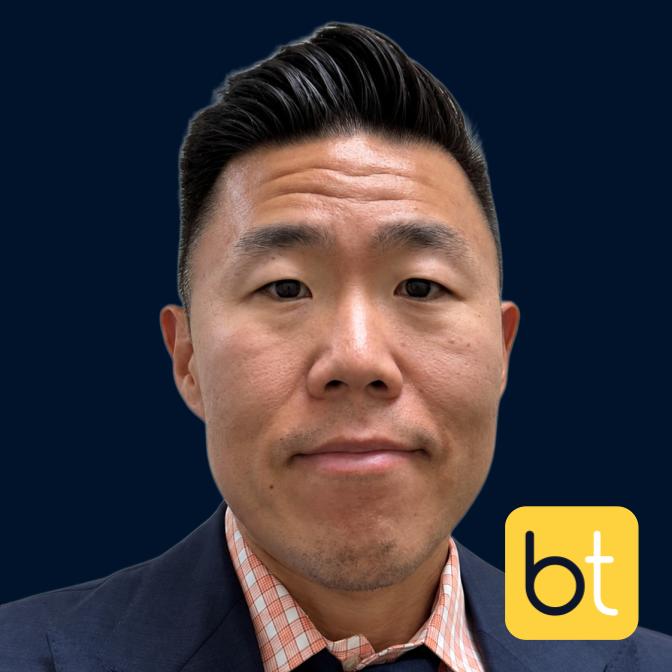
Most patients with localized pancreatic cancer already have disease the scans cannot see, which is why these GI oncologists treat chemotherapy before surgery as a test of tumor biology. On this episode of the BackTable GI Oncology Creator Weekend™, medical oncologist Dr. Andrew Hendifar leads a tumor board with GI medical oncologists Dr. Arsen Osipov and Dr. Daniel Ahn on the perioperative management of pancreatic cancer. They explain why nearly every patient with localized disease now starts with chemotherapy rather than surgery, which red flags such as an elevated CA 19-9, enlarged lymph nodes, or profound weight loss point to hidden micrometastatic disease, and why an 80-year-old can still be a candidate for FOLFIRINOX when biological age outweighs chronological age.
- Tumor Board # 87Oct 27, 2026
Diagnosis & Management of Advanced HER2-Negative Upper GI Cancers
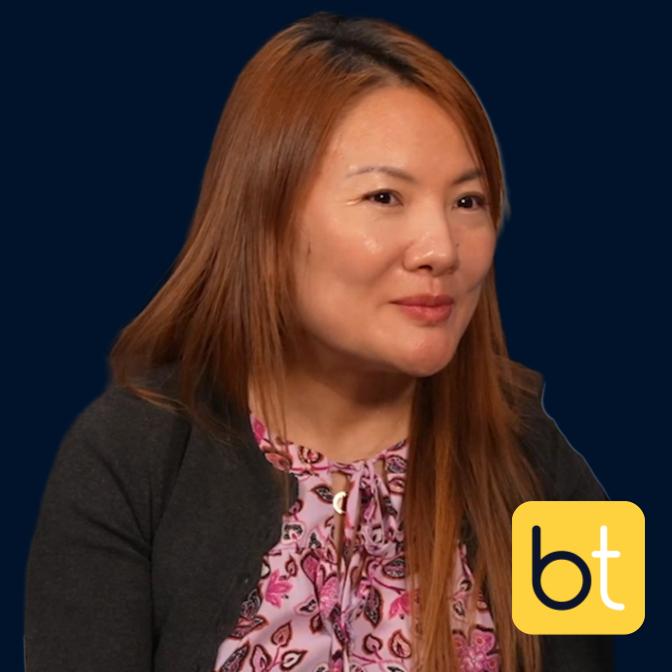
Five years ago, first-line treatment for advanced HER2-negative gastroesophageal cancer meant chemotherapy; today claudin 18.2, PD-L1, and mismatch repair status shape the plan, often for a patient who cannot afford to wait for the results. On this episode of the BackTable GI Oncology Creator Weekend™, host Dr. Kate Baker interviews medical oncologists Dr. Ronan Hsieh and Dr. Dani Castillo about the diagnosis and management of advanced HER2-negative upper GI cancers. They discuss the biomarker workup at diagnosis, next-generation sequencing and liquid biopsy, when to biopsy metastatic sites, and why both guests start chemotherapy before every result is available.
- Tumor Board # 86Oct 20, 2026
Optimizing Treatment for Advanced HER2-Positive Upper GI Cancers

When a gastroesophageal tumor is positive for HER2, PD-L1, and claudin 18.2, which target should you treat first and how do you decide? On this episode of the BackTable GI Oncology Creator Weekend™, host Dr. Kate Baker interviews Dr. Geoffrey Buckle, a GI medical oncologist at UCSF, and Dr. Ronan Hsieh, a GI oncologist at Swedish Cancer Institute in Seattle, for a breakdown of therapy selection and management in advanced HER2-positive upper GI cancers. They start with a detailed case, covering biomarker workup, how to choose a first-line regimen without head-to-head data, and how to manage nutrition and palliative radiation when a patient presents with dysphagia and weight loss.