


Dr. George Koch
Urologist
12 Podcasts • 3 Cases on BackTable
Dr. George Koch is a urologist at The Ohio State University Wexner Medical center in Columbus, Ohio.
Learn from the experiences and expertise of Dr. George Koch and other leading voices in your specialty on the BackTable app.
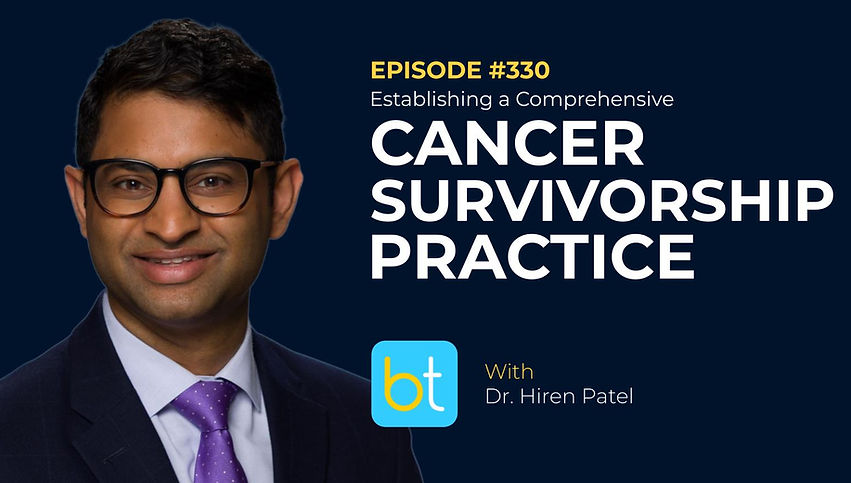

Episode # 330 • 22 Sept 2026
Establishing a Comprehensive Cancer Survivorship Practice
How can reconstructive urologists improve quality of life for cancer survivors beyond the initial cure? On this episode of BackTable Urology, Dr. George Koch interviews Dr. Hiren Patel about building a comprehensive survivorship practice that addresses the long-term needs of patients following genitourinary cancer treatment. They discuss moving beyond post-prostatectomy ED and incontinence to include management of radiation sequelae, immunotherapy effects, and urethral strictures, as well as the role of patient-centered communication, care coordination, and technology.
More from Dr. George Koch
Loading recent podcasts…

Urology Case
Sep 21, 2026

Single-Port Robotic Retroperitoneal Primary Ureteral Repair
with Dr. Hiren Patel and Dr. George Koch
Urology Case
Jun 15, 2026

Robotic Vesicourethral Anastomosis Stenosis Excision & Primary Anastomosis with Rectus Flap
with Dr. Ziho Lee and Dr. George Koch
Urology Case
Jul 27, 2026

Buried Penis Repair in a Post-Bariatric Patient: Panniculectomy & W-Plasty Reconstruction
with Dr. Paul Rusilko and Dr. George Koch
About
As a urologist at The Ohio State University Wexner Medical Center, Dr. George Koch specializes in treating patients with urologic injuries following trauma and cancer treatments like surgery or radiation. Dr. Koch also has a particular interest in treating adults who require urologic reconstruction due to congenital malformations. He commonly sees patients for conditions including urethral stricture disease, devastated bladder outlets, adult-acquired buried penis, and radiation injury to the urinary tract. Dr. Koch is proud to have contributed to the American College of Surgeons’ national guidelines for treating urologic trauma, as well as to serve on the editorial board of the Journal of Urology.
Dr. Koch is passionate about doing everything he can to improve the lives of everyone who goes to see him. His patients can rely on him for personalized, compassionate care tailored to their individual needs and goals. He takes the time patients need to be heard so together, they can come up with a plan that the both are confident in.
In addition to his clinical responsibilities, Dr. Koch is active in research efforts. His work focuses on strategies to enhance treatment options and long-term outcomes for patients following severe skin infections and traumatic urologic injuries. He is also interested in trainees’ role in academic writing and scholarship in surgical education.
Dr. Koch's experience in urologic academia has been career-defining. He had impactful mentors who fostered his love for the academic and investigative process, and says it is a privilege to carry those lessons forward as an assistant professor in the Department of Urology at The Ohio State University College of Medicine. Dr. Koch says that teaching residents and collaborating with others is easily the most fun part of his job and getting to do that while serving patients is deeply rewarding.
Visit OSU Wexner Medical Center to learn more about Dr. George Koch.
The Materials available on BackTable are provided for informational and educational purposes only and are not a substitute for the independent professional judgment of a qualified healthcare professional in diagnosing or treating patients. Any opinions, statements, or views expressed are those of the individual contributors and do not necessarily reflect those of the publisher, platform, or any affiliated organization.